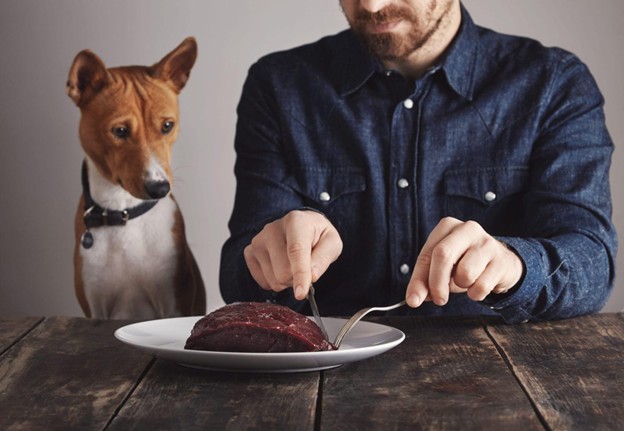
Pet well-being is shaped long before illness appears, and early guidance often comes from trusted experts such as Cindy Maro, whose work underscores how nutrition influences immunity, longevity, and day-to-day vitality. Many concerns brought to clinics can be traced back to subtle issues in diet, feeding habits, or ingredient quality, areas pet owners rarely notice until symptoms begin. Understanding Common Pet Nutrition Mistakes is the foundation of preventive health, helping families make decisions that support long-term wellness rather than unintentionally create risk.
Why Everyday Feeding Habits Matter More Than Most Owners Realize
Most families feed their pets with love and good intentions, yet daily choices around Pet Food often shape metabolism, digestion, inflammation, energy levels, and oral health. Even small oversights, like inconsistent portion sizes or misunderstanding ingredient labels, can gradually influence weight, joint comfort, coat condition, and immune function.
Recognizing Common Pet Nutrition Mistakes early allows households to shift from reactive care to proactive nourishment, helping pets thrive through every life stage.
1. Misreading Ingredient Labels and Overlooking Hidden Additives
Many foods marketed as “healthy” contain fillers, dyes, rendered fats, or artificial flavor enhancers that pets do not need. Missing these details is one of the most frequent Common Pet Nutrition Mistakes seen in clinical practice.
Key issues include:
- Carbohydrate-heavy formulas disguised as balanced meals
- Low-quality protein sources are listed vaguely as “meat meal.”
- Added sugars or syrups that disrupt digestion
- Artificial colors included for owner appeal rather than nutritional value
- Preservatives that increase shelf life but may contribute to inflammation
A simple shift toward minimally processed Pet Food with identifiable ingredients reduces many long-term risks.
2. Portion Sizes That Do Not Match Age, Lifestyle, or Breed
Overfeeding is among the most widespread Common Pet Nutrition Mistakes, especially when owners rely on bag recommendations rather than individualized needs. Activity level, metabolism, season, and medical conditions all influence calorie requirements.
Consequences of incorrect portions include:
- Gradual weight gain that strains joints
- Sluggish metabolism
- Increased risk of diabetes
- Nutrient imbalance from excess calories
Measuring meals consistently and adjusting portions during growth phases or lifestyle changes helps avoid unnecessary stress on the body.
3. Feeding Too Many Treats or Using Treats as Meals
Treats are an important bonding tool, but they often contribute far more calories than expected. When treats replace balanced meals, the body begins to miss essential amino acids, fatty acids, minerals, and vitamins.
This is one of the least recognized Common Pet Nutrition Mistakes, especially in multi-pet households where grazing and sharing become routine.
Better habits include:
- Limiting treats to a small percentage of daily intake
- Choosing nutrient-dense options
- Avoiding dyed or salted commercial treats
- Selecting whole-food alternatives when appropriate
These changes maintain training effectiveness while supporting metabolic health
4. Switching Pet Food Too Quickly or Too Often
Rapid food transitions disrupt gut bacteria and commonly trigger vomiting, loose stool, or appetite loss. Frequent switching is another subtle mistake in pet nutrition that can destabilize digestion, particularly in sensitive pets.
Transitions are most successful when done gradually:
- 25% new formula mixed for several days
- 50% blend as the stomach adapts
- 75% blend to confirm tolerance
- Full switch only after consistent digestion
This approach allows the gut microbiome to adjust without unnecessary stress.
5. Assuming All Life Stages Can Share the Same Diet
Kittens, puppies, adults, and seniors all metabolize nutrients differently. Feeding everyone the same formula is one of the easiest Common Pet Nutrition Mistakes to overlook because it feels simple and convenient.
Age-specific mismatches may lead to:
- Calcium imbalance in growing pets
- Insufficient joint support in seniors
- Excess calories in lower-activity adults
- Digestive strain from inappropriate fat levels
A life-stage-appropriate Pet Food formula ensures the right balance for each physiological phase.
6. Ignoring Hydration Needs and Moisture Content
Dry kibble offers convenience but often lacks the moisture pets need for kidney health, digestion, and temperature regulation.
Among the Common Pet Nutrition Mistakes, inadequate hydration is one of the most influential in long-term wellness.
Helpful adjustments include
- Adding water or low-sodium broth
- Using wet food for part of the diet
- Encouraging drinking through multiple bowl placements
- Monitoring hydration during hot season.
Supporting hydration helps maintain urinary health and improves nutrient absorption.
7. Relying on Online Trends Without Understanding Individual Needs
Trendy diets, raw, grain-free, freeze-dried, exotic proteins, often appeal to owners but may not align with a pet’s unique medical or nutritional requirements.
Following trends without understanding their context is another common mistake in pet nutrition that can negatively impact thyroid function, cardiac health, or gastrointestinal balance.
A grounded approach focuses on:
- Medical history
- Breed-related sensitivities
- Activity level
- Previous digestive patterns
- Evidence-based formulations
This perspective supports informed decisions rather than reactive trend-following.
How Avoiding Nutrition Mistakes Creates Lifelong Stability
Avoiding Nutrition Mistakes offers more than short-term improvements. It establishes predictable nourishment that supports organ health, mobility, immunity, weight stability. and emotional well-being. When families understand the small factors, like hydration, label literacy, portion control, and appropriate treat use, they gain the ability to shape long-term outcomes through daily choices.
Consistent, balanced feeding practices allow pets to:
- Maintain a healthier body weight
- Stabilize digestion
- Strengthen immune resilience
- Reduce inflammation
- Age more comfortably
Every improvement in routine care becomes a building block for lifelong wellness.
Final Thoughts
Nutrition is one of the most powerful influences on pet health, yet many issues arise quietly through everyday habits. Recognizing Common Pet Nutrition Mistakes helps families move beyond trial-and-error feeding toward intentional decisions that support longevity. When Pet Food is chosen and managed thoughtfully, the result is a healthier, more balanced life, one shaped by awareness, consistency, and proactive care.
Author
Dr. Cynthia Maro – Integrative Veterinarian, Cynthia Maro, DVM, CVA, CAC, VMRT, VNAET