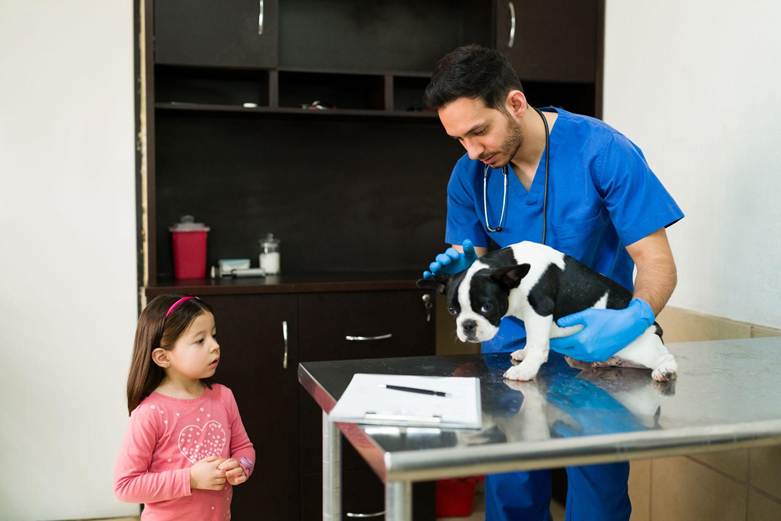
Predictive veterinary medicine reframes prevention as an active, data-informed process rather than a passive annual checkpoint. Dr. Cindy Maro promotes this approach by focusing on being proactive instead of just responding to problems, using detailed clinical knowledge and long-term data to spot small changes in health before serious illness develops.
For decades, veterinary medicine has operated largely within a reactive framework. Symptoms appear, diagnostics confirm pathology, and treatment follows. While this model has saved countless lives, it often addresses disease after physiologic imbalance has already progressed. Predictive medicine seeks to intervene earlier, at the stage of pattern deviation rather than overt dysfunction.
From Snapshot Medicine to Trend Analysis
Traditional wellness exams provide valuable but limited snapshots. Bloodwork, physical examination findings, and owner observations are typically interpreted within reference ranges designed to capture broad populations.
Predictive care shifts focus from static normal ranges to dynamic trend tracking:
- How has liver enzyme activity changed over three years?
- Is body composition gradually shifting despite stable weight?
- Are inflammatory markers trending upward within normal limits?
- Has digestive tolerance narrowed over time?
Small, consistent changes often precede diagnosable disease. By identifying these deviations early, intervention can begin before tissue damage accumulates.
Trend-based analysis transforms data into foresight.
The Biology of Early Deviation
Disease rarely appears suddenly. Most chronic conditions develop along a continuum:
- Functional stress
- Subclinical imbalance
- Early tissue irritation
- Clinical disease
- Structural pathology
Conventional care often intervenes at stages four or five. Predictive medicine focuses on stages one and two, where adaptation is still flexible.
Subtle physiologic signals may include:
- Mild inflammatory shifts
- Altered microbiome diversity
- Hormonal fluctuations within normal ranges
- Changes in recovery time after minor stress
- Reduced metabolic resilience
These early deviations may not trigger an alarm in isolation. Viewed collectively, however, they can signal emerging vulnerability.
Integrating Data Beyond Laboratory Panels
Predictive veterinary medicine is not limited to blood chemistry. It integrates multiple data streams to create a broader clinical narrative.
Important inputs include:
Longitudinal Laboratory Trends
Repeated testing over time reveals directional movement that single tests cannot capture.
Behavioral Pattern Shifts
Changes in sleep, play behavior, appetite rhythm, or social engagement often precede measurable disease markers.
Nutritional Response Patterns
Increased food sensitivities or digestive variability may reflect evolving immune imbalance.
Environmental Exposure Mapping
Chemical load, stress exposure, and lifestyle changes influence physiologic response over time.
When layered together, these data points create a predictive framework rather than a reactive response.
The Role of Inflammation as an Early Signal
Chronic low-grade inflammation frequently precedes overt illness. Slight elevations within normal reference ranges can indicate rising physiologic stress.
Persistent inflammatory signaling has been associated with:
- Allergic skin disease
- Gastrointestinal dysfunction
- Metabolic disorders
- Degenerative joint conditions
- Immune dysregulation
Monitoring inflammatory trends allows earlier nutritional, environmental, or therapeutic adjustments before irreversible change occurs.
Inflammation becomes not just a marker of disease but a predictor of risk.
Microbiome Monitoring and Immune Forecasting
The gastrointestinal microbiome functions as both an immune regulator and a metabolic mediator. Shifts in microbial diversity can precede:
- Increased allergy expression
- Food intolerance
- Behavioral anxiety
- Systemic inflammatory conditions
Periodic evaluation of gut health delivers knowledge about the immune trajectory. Supporting microbial diversity through diet and targeted supplementation may help stabilize immune signaling before imbalance escalates.
In predictive care, the microbiome serves as an early-warning ecosystem.
Wearable Data and Emerging Technology
Advances in wearable veterinary technology now allow continuous tracking of:
- Activity levels
- Sleep patterns
- Heart rate variability
- Recovery intervals
These metrics can reveal subtle deviations long before clinical signs emerge. A gradual decline in activity or altered sleep architecture may indicate metabolic strain or inflammatory discomfort.
Technology does not replace clinical judgment. Instead, it enhances pattern recognition and supports earlier, informed intervention.
Nutritional Forecasting as Preventive Strategy
Diet is both a modifiable variable and a predictive tool. Gradual shifts in body composition, coat quality, or digestive tolerance often reflect metabolic stress before laboratory markers change.
Predictive nutritional strategies may include:
- Rotational feeding to maintain immune flexibility
- Phytonutrient enrichment for antioxidant support
- Early metabolic support in predisposed breeds
- Anti-inflammatory dietary adjustments before chronic pain develops
Proactive nutrition strengthens resilience rather than waiting to correct pathology.
Reframing Preventive Care
Annual exams remain important, but predictive veterinary medicine expands the preventive model to include:
- Scheduled trend evaluations
- Environmental risk assessments
- Early microbiome analysis
- Inflammatory monitoring
- Behavioral baseline tracking
This approach positions veterinary care as an ongoing health partnership rather than an episodic intervention.
The emphasis shifts from diagnosing disease to forecasting risk.
Economic and Emotional Benefits of Early Intervention
Reactive medicine often involves advanced diagnostics, long-term pharmaceuticals, and complex management plans. Predictive care, by contrast, may reduce both financial burden and emotional stress through earlier, lower-intensity intervention.
Benefits may include:
- Reduced severity of chronic conditions
- Fewer acute flare-ups
- Improved quality of life
- Greater longevity with vitality
- Lower long-term treatment costs
Early action often requires smaller adjustments than late-stage correction.
Building a Predictive Culture in Veterinary Practice
Predictive veterinary medicine requires a cultural shift toward continuous observation, data integration, and individualized care plans.
Key components include:
- Maintaining detailed health timelines
- Encouraging guardians to track subtle behavioral shifts
- Repeating diagnostics strategically rather than reactively
- Integrating nutrition, environment, and stress evaluation into routine care
When data is interpreted through a longitudinal lens, patterns become visible. When patterns are visible, intervention becomes proactive rather than urgent.
Toward a Future of Anticipatory Care
As veterinary science advances, the opportunity to move upstream in disease development becomes increasingly attainable. Chronic conditions need not be inevitable consequences of aging or genetics. Early identification of progressive imbalances can redirect many of them.
Predictive veterinary medicine transforms healthcare from crisis management into resilience engineering. By recognizing trends, integrating diverse data streams, and intervening at the earliest signs of deviation, long-term outcomes can shift significantly.
The future of veterinary medicine lies not only in treating disease more effectively but also in identifying it before it fully forms.
Author
Dr. Cynthia Maro – Integrative Veterinarian, Cynthia Maro, DVM, CVA, CAC, VMRT, VNAET