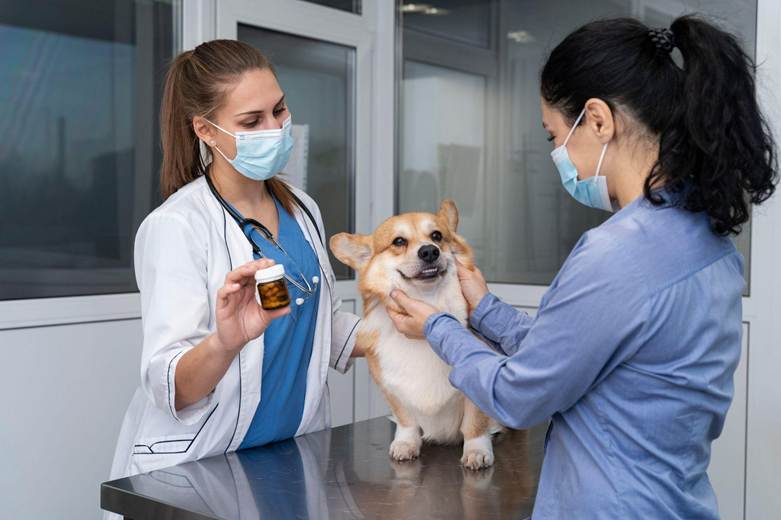
Preventive care, as reflected in work associated with Dr. Cindy Maro, has long been a cornerstone of veterinary medicine, but the definition of prevention is evolving. Modern veterinary care is moving away from just vaccinations and reactive treatment and toward early intervention, whole-body awareness, and long-term wellness strategies. Integrative veterinary care, a model that reframes prevention across a pet’s lifetime through integrative animal wellness, has emerged within this shift.
Integrative veterinary care blends conventional diagnostics with complementary modalities, prioritizing early detection, functional balance, and individualized planning. This method does not supplant conventional medicine; rather, it enhances it. By viewing pets as complex biological systems rather than isolated symptoms, integrative care reshapes prevention into an ongoing, proactive process rather than a periodic checklist.
Moving Beyond Reactive Veterinary Care
Traditional veterinary models have historically focused on identifying and treating disease once symptoms appear. Although this approach is still crucial, it frequently delays intervention in the disease process, potentially leading to advanced conditions.
Integrative preventive care shifts attention earlier. Subtle changes in behavior, movement, digestion, or energy are viewed as meaningful data points rather than minor anomalies. These early signals often precede diagnosable disease by months or even years.
By responding sooner, veterinarians can help reduce the progression of chronic conditions, minimize discomfort, and preserve quality of life. Prevention becomes less about avoiding illness altogether and more about slowing, managing, or redirecting health trajectories before problems escalate.
Whole-Body Awareness as a Preventive Tool
A defining feature of integrative veterinary care is whole-body awareness. Rather than isolating organs or systems, integrative practitioners evaluate how nutrition, mobility, environment, stress, and genetics interact.
For example, digestive health is not viewed independently from immune response, inflammation, or skin conditions. Joint health is evaluated alongside posture, muscle tone, and activity patterns. Emotional well-being is considered a medical factor rather than a behavioral afterthought.
This interconnected perspective allows veterinarians to identify patterns that may otherwise go unnoticed. Prevention becomes a matter of maintaining balance across systems rather than waiting for a single system to fail.
Early Intervention Through Functional Monitoring
Integrative preventive care places strong emphasis on functional monitoring. This includes tracking trends over time rather than relying solely on snapshot assessments.
Changes in appetite, sleep patterns, mobility, or tolerance for activity may not trigger immediate concern in conventional models. Integrative frameworks often view these shifts as early indicators of imbalance.
Addressing these changes early can involve adjustments in nutrition, activity routines, environmental exposures, or supportive therapies. Small interventions introduced at the right time often reduce the need for more aggressive treatment later.
The Role of Complementary Therapies in Prevention
Complementary modalities play a significant role in integrative preventive care. We frequently use techniques like acupuncture, chiropractic evaluation, therapeutic exercise, and manual therapies to support mobility, comfort, and nervous system balance.
When applied preventively, these approaches may help maintain joint flexibility, reduce compensatory movement patterns, and support recovery from minor strain before it becomes a chronic injury. This is particularly valuable for aging pets, athletic dogs, and animals with breed-specific predispositions.
Preventive use of these therapies is not about treating disease but about preserving function. By maintaining physical balance, pets are better equipped to tolerate the natural stresses of aging and activity.
Nutrition as a Foundation of Preventive Health
Nutrition plays a central role in integrative veterinary care. Preventive strategies often focus less on trends or labels and more on individual response.
Factors such as digestion, inflammation, body condition, and energy levels guide nutritional recommendations. Integrative care prioritizes customization of nutrition based on the pet’s life stage, activity level, and health history, as opposed to a universal solution.
Preventive nutrition supports immune function, joint health, metabolic balance, and cognitive well-being. Early treatment of nutritional imbalances often yields cumulative benefits across multiple systems.
Environmental Awareness and Long-Term Wellness
Integrative preventive care also considers environmental factors that influence health over time. Household chemicals, lawn treatments, indoor air quality, and chronic stressors can all contribute to inflammation and immune dysregulation.
By identifying and minimizing these exposures, preventive care extends beyond the clinic. Owners become active participants in shaping healthier living environments for their pets.
This proactive approach recognizes that prevention does not begin and end with medical appointments. It is reinforced daily through lifestyle choices and environmental awareness.
Individualized Care Plans Over Standard Protocols
Another key distinction of integrative preventive medicine is personalization. While standard protocols provide useful baselines, integrative care adapts recommendations to the individual pet.
Breed tendencies, age-related changes, prior medical history, and lifestyle all inform preventive planning. This customization allows care strategies to evolve alongside the pet, remaining relevant as needs change.
Individualized plans minimize unnecessary interventions and promptly address emerging risks. Prevention becomes dynamic rather than static.
Supporting Longevity and Quality of Life Together
One of the most significant outcomes of integrative preventive care is the alignment of longevity with quality of life. Extending lifespan without comfort or vitality offers limited benefit.
By emphasizing early detection, functional balance, and supportive care, integrative approaches aim to preserve mobility, engagement, and comfort as pets age. Preventive care is measured not only in years added but also in years lived well.
This perspective resonates with pet owners who prioritize both health and happiness throughout their companion’s life.
Why Preventive Medicine Is Being Redefined
As veterinary medicine continues to advance, prevention is no longer limited to avoiding infectious disease. Chronic conditions, degenerative changes, and lifestyle-related health challenges now dominate long-term outcomes.
Integrative veterinary care responds to this shift by expanding the preventive toolkit. It integrates observation, diagnostics, complementary therapies, and lifestyle guidance into a cohesive strategy.
Integrative care reshapes the understanding and practice of prevention by addressing health as an ongoing process rather than a series of isolated events.
A Preventive Model Built for the Long Term
Preventive veterinary medicine is increasingly about foresight rather than reaction. Integrative care supports this evolution by focusing on early awareness, system-wide balance, and individualized planning.
Through consistent monitoring and thoughtful intervention, pets are better positioned to navigate life’s transitions with resilience. Prevention becomes less about avoiding illness entirely and more about supporting sustained well-being.
This long-term view continues to influence how modern veterinary care defines success, emphasizing stability, comfort, and proactive stewardship at every stage of life.